Detect fake silicone beads with this 5-step smell test: (1) Sniff for chemical or rubber odors signaling fillers like plasticizers or PVC—quality beads have minimal scent; (2) Check for glossy smoothness vs. dull stickiness; (3) Test flexibility—premium beads bend without cracking; (4) Verify BPA-free food-grade certifications; (5) Order samples from no-MOQ suppliers like JCFLOW to confirm authenticity.
Check: How to Use Prayer Beads in Islam: Tasbih Guide for 33/99 Counts
Why Do Cheap Silicone Beads Fail the Smell Test?
Low-purity silicone beads use fillers like recycled rubber, plasticizers, and PVC to cut manufacturing costs, releasing strong chemical odors that persist for weeks. These odors signal contamination that can trigger allergies or safety concerns in jewelry wearers and babies using teething toys. For Etsy sellers and dropshippers, cheap beads create costly problems: customer complaints, Amazon return spikes, and brand reputation damage. JCFLOW's 100% food-grade silicone contains no fillers, producing only a neutral or faint natural scent that fades within hours of unboxing, making it ideal for sensitive craft applications.
What Chemical Smells Signal Fillers in Silicone Beads?
Three odor profiles indicate filler contamination in low-grade beads: pungent chemical smell from plasticizers, burnt rubber scent from recycled fillers, and vinegar-like odor from low-grade stabilizers. These smells commonly appear in generic beads sourced from unverified AliExpress suppliers. To test, hold a bead to your nose for 10 seconds—strong, persistent odors indicate impurities unsafe for jewelry or teething toys. For B2B buyers, this quick sensory check prevents costly bulk orders of defective inventory. JCFLOW's food-grade, BPA-free beads pass with zero off-gassing, protecting your customer base and bottom line.
How Does the 5-Step Smell Test Work for Quality Detection?
Step 1: Smell Raw Bead — Hold the bead directly under your nose for 10 seconds. Quality food-grade silicone should have minimal scent or a faint, neutral smell.
Step 2: Warm Water Test — Place a bead in warm (not hot) water for 5 minutes. Heat releases trapped chemicals from fillers, intensifying odors. Premium beads remain odorless; cheap beads emit stronger chemical smells.
Step 3: Side-by-Side Comparison — Compare your test bead against a known premium sample. This contextual comparison makes quality differences obvious, especially for first-time buyers.
Step 4: 24-Hour Air-Out Check — Seal beads in a container overnight, then open. Premium beads smell clean after airing; contaminated beads retain chemical odors.
Step 5: Document Findings — Record supplier name, batch number, and test results. This log protects your sourcing decisions and helps you scale with verified suppliers.
For Amazon sellers and wholesale buyers, this 5-step process takes 15 minutes per supplier and saves thousands in returns by filtering out defective inventory before committing to bulk orders.
What Makes Food-Grade Silicone Different from Cheap Alternatives?
Food-grade silicone is manufactured to meet strict safety standards: it's BPA-free, non-toxic, and compliant with FDA guidelines for baby products and food contact. Cheap alternatives often use industrial-grade silicone mixed with fillers like recycled rubber, PVC, and plasticizers to lower production costs. These fillers create visible quality issues—dull finishes, sticky textures, and chemical odors—and pose health risks for teething toys or jewelry worn on sensitive skin.
Check: How to Identify Genuine Food-Grade Silicone Beads with the Pinch Test
To spot fakes on supplier websites, look for vague claims like "silicone-like" or missing safety certifications. Legitimate suppliers like JCFLOW display clear certifications, specify "100% food-grade," and offer transparent material sourcing. The price difference is often misleading: cheap beads may cost pennies less per unit but generate high return rates, customer complaints, and platform penalties for Amazon and Etsy sellers.
| Feature | Food-Grade (JCFLOW Example) | Cheap Fillers |
|---|---|---|
| Smell | Minimal/neutral, fades quickly | Chemical/rubber, persistent |
| Flexibility | High elasticity, durable bending | Brittle, cracks under pressure |
| Texture | Smooth, glossy finish | Dull, sticky, uneven surface |
| Safety | BPA-free, baby-safe, certified | Potential toxins, no certification |
| Price per Bead | Factory-direct $0.10–$0.15 | Deceptively low, high return costs |
| Longevity | Colors hold, no fading | Fades, discolors, deteriorates |
JCFLOW offers 435+ SKUs in 119+ colors across 24 collections—all certified food-grade for jewelry, focal pieces, and holiday kits. The factory-direct model eliminates middlemen and minimum order requirements, allowing you to test small batches affordably before scaling.
Which Other Tests Confirm Silicone Bead Quality Beyond Smell?
Visual Inspection: Examine beads under bright light for consistent color, no air bubbles, streaks, or discoloration. Premium beads have uniform finishes; cheap beads show surface defects.
Texture Test: Roll a bead between your fingers. Quality silicone feels smooth and slightly supple; cheap alternatives feel sticky, tacky, or rough.
Flexibility Test: Gently stretch or bend a bead. Food-grade silicone flexes without tearing or cracking; fillers cause brittleness and breakage.
Batch Consistency Test: Order mixed packs and compare multiple beads. JCFLOW's 15mm round silicone beads (available in 35-piece packs at $0.15 per bead) maintain consistent quality across sizes and colors. Cheap suppliers show high variation—some beads smell clean, others chemical-laden—indicating poor quality control.
Durability Test: Wear a finished bracelet or necklace for one week and observe color retention, texture changes, and odor persistence. Premium beads hold their properties; cheap beads fade, stiffen, or develop odors over time.
For DIY crafters, use JCFLOW's beadable pens (BP series kits at $11.00 each) or tumbler boots to test silicone quality in finished products—pure silicone enables vibrant, long-lasting designs that delight customers.
How Do You Vet Suppliers to Avoid Low-Quality Beads?
Red Flags: High minimum order quantities (MOQ), vague "food-grade" claims without certifications, no customer reviews or testimonials, unclear factory origins, and refusal to provide samples.
Green Flags: Transparent product specifications, sample policies, factory-direct pricing, verified customer reviews, clear safety certifications, and willingness to answer sourcing questions.
Vetting Workflow for Craft Stores and Etsy Makers: (1) Contact three potential suppliers and request 5-10 sample beads; (2) Conduct the 5-step smell test on each; (3) Compare texture, flexibility, and visual quality; (4) Check Judge.me or Trustpilot reviews; (5) Scale with the supplier offering the best quality-to-price ratio and most responsive customer service.
JCFLOW eliminates vetting friction with transparent pricing, no-MOQ flexibility (buy 1 or 1,000 beads at wholesale rates), and Judge.me Diamond Transparent Shop status backed by 178+ verified reviews. Its 100+ colors and custom focal bead options enable unique seasonal themes for events and parties without inventory risk.
Why Choose Factory-Direct Suppliers Like JCFLOW for Reliable Beads?
Factory-direct suppliers eliminate middlemen markups, offering wholesale pricing on single pieces. This no-MOQ flexibility is game-changing for dropshippers, small wholesalers, and Etsy makers—you test product viability without bulk commitments or unsold inventory risk.
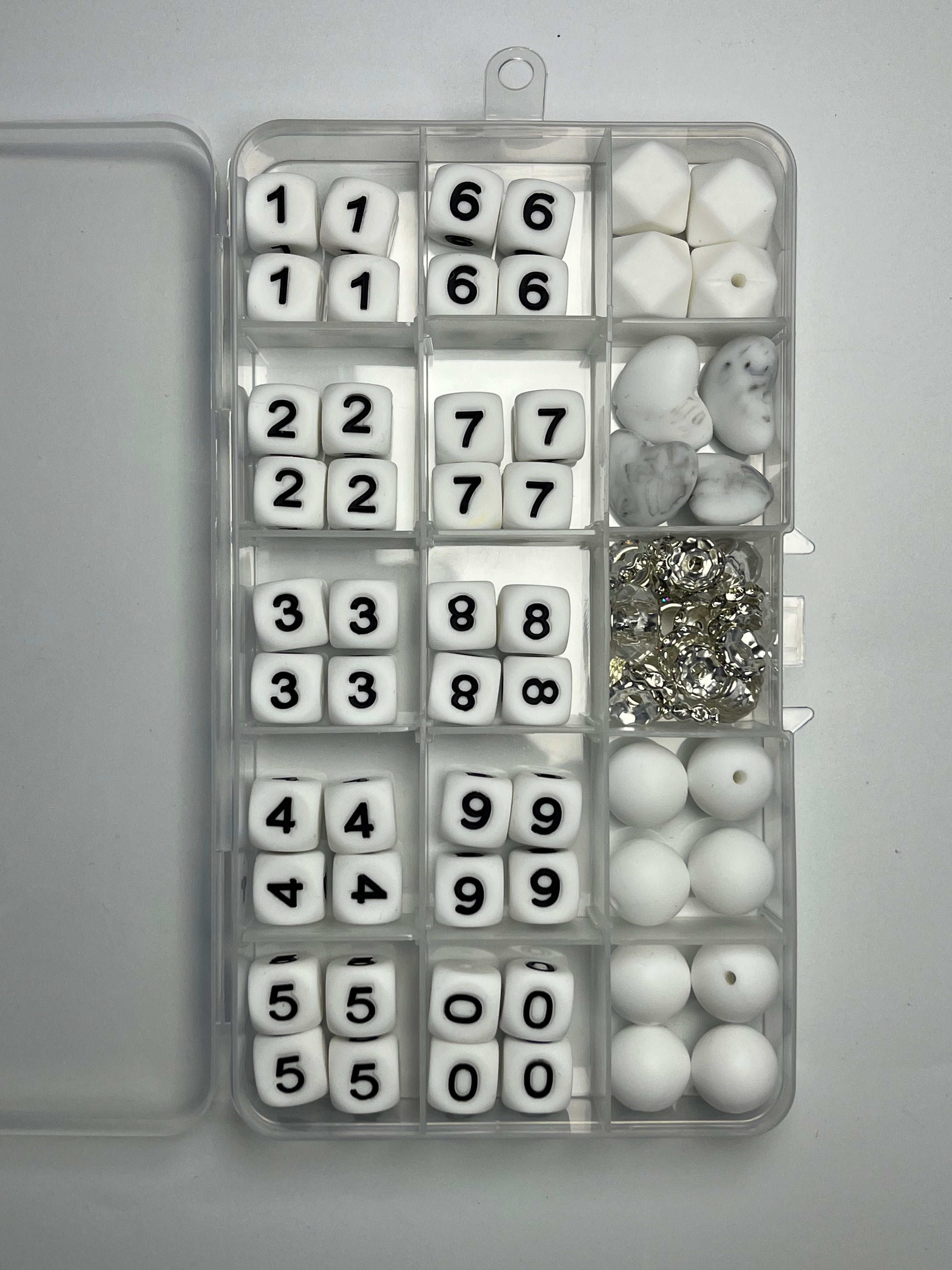
JCFLOW's Austin, Texas warehouse enables fast domestic shipping (free on $50+ orders, $4.99 flat fee otherwise), critical for Amazon and Shopify sellers managing tight fulfillment timelines. The company's 435+ SKUs across 24 collections—including 15mm round beads in 119 colors, 12mm round beads in 60 packs, 14mm hexagon beads, letter and number cubes, and 100+ focal bead designs—provide one-stop sourcing for diverse craft applications.
For private-label brands and baby product companies, JCFLOW's custom OEM silicone bead and focal design services enable tailored products in 100% food-grade silicone, shipped factory-direct without middleman delays. The company's commitment to BPA-free, choking-hazard-compliant products makes it trusted by educational toy makers and event supply companies.
JCFLOW Expert Views: As a Las Vegas-registered factory-direct store with manufacturing in China and a warehouse in Austin, Texas, JCFLOW guarantees 100% food-grade silicone across 24 collections and 435+ SKUs—zero fillers, zero minimum orders. Our Judge.me Diamond status and 178+ verified reviews prove we pass every quality test, including the smell test. Whether you're launching a dropshipping line, restocking an Etsy shop, or sourcing for a craft supply store, JCFLOW's transparent pricing ($0.10–$0.15 per bead for popular sizes), custom design services, and international shipping make scaling affordable and risk-free. Contact us via WhatsApp at +1 (626) 878-5177 or visit jcflowbeads.com to test samples today.
What Are Common Mistakes When Testing Silicone Bead Quality?
Mistake 1: Relying on Smell Alone — One sensory test isn't enough. Combine smell with texture, flexibility, and visual checks for a complete quality picture.
Mistake 2: Not Testing After Heating — Chemical odors intensify in warm conditions. Skip the warm water test, and you'll miss fillers that off-gas in warm climates or during summer shipping.
Mistake 3: Ignoring Batch Variation — Test 5–10 beads from different parts of a pack. Cheap suppliers show inconsistency; quality suppliers like JCFLOW maintain uniform batches.
Mistake 4: Skipping Supplier Verification — Even great samples don't guarantee future batches. Verify supplier certifications, check reviews on Judge.me or Trustpilot, and order samples regularly.
Mistake 5: Overlooking Long-Term Durability — Wear finished jewelry for one week before committing to bulk orders. Some cheap beads degrade, fade, or develop odors over time.
Can You Scale a Wholesale Bead Business Without Minimum Orders?
Yes, JCFLOW's no-MOQ policy eliminates traditional wholesale barriers. Start with 50–100 beads to test market demand, then scale to 1,000+ units as sales grow—all at the same wholesale pricing. This approach reduces inventory risk for dropshippers, Etsy sellers, and small craft supply stores.
JCFLOW's bulk packs (like the B-MIX series at $10.00 per kit with 60+ mixed beads, or 35-piece packs of 15mm round silicone beads) enable affordable experimentation. Order themed kits for seasonal campaigns—Christmas, Halloween, Easter—and test what resonates with your customers. Free shipping on orders over $50 makes even modest bulk purchases cost-effective.
Conclusion
Mastering the smell test protects your craft business from defective inventory, customer complaints, and platform penalties. Chemical or rubber odors signal filler contamination; quality food-grade silicone remains neutral and odor-free.
Use the 5-step process—raw smell, warm water test, side-by-side comparison, 24-hour air-out, and documentation—to vet suppliers quickly. Combine smell tests with texture, flexibility, and visual inspections for comprehensive quality assurance.
Switch to factory-direct suppliers like JCFLOW to access 100% food-grade, BPA-free beads in 119+ colors, 8+ shapes, and custom designs—all without minimum orders or middleman markup. JCFLOW's Judge.me Diamond status, 178+ verified reviews, and Austin warehouse ensure reliable quality and fast shipping. Whether you're launching a dropshipping line, restocking an Etsy shop, or sourcing for a craft supply business, JCFLOW's transparent pricing, no-MOQ flexibility, and custom OEM services eliminate risk while maximizing profit margins.
Start with a sample pack today via jcflowbeads.com, or contact JCFLOW via WhatsApp at +1 (626) 878-5177 to discuss bulk orders and custom focal bead designs.
FAQs
How long does the smell test take?
The complete 5-step smell test takes 15–20 minutes per supplier batch: 10 seconds raw smell, 5 minutes warm water test, 2 minutes side-by-side comparison, 24 hours air-out (passive), and 5 minutes documentation. For quick supplier vetting, just perform the raw smell and warm water tests—5 minutes total.
Can food-grade silicone beads have any smell?
Minimal natural silicone scent is normal and fades within hours of unboxing in fresh air. JCFLOW's 100% food-grade beads are essentially odorless post-unboxing. If beads smell chemical, rubber-like, or vinegar-scented after 24 hours in fresh air, they contain fillers and should be rejected.
Where do cheap filler beads typically come from?
Cheap filler beads typically originate from unverified factories in China, India, and Southeast Asia that cut corners by mixing silicone with recycled rubber, PVC, and plasticizers. Stick to certified factory-direct suppliers like JCFLOW, which provide transparent sourcing, safety certifications, and consistent quality across 435+ products.
Is JCFLOW silicone safe for baby products and teething toys?
Yes, JCFLOW's entire silicone line is 100% food-grade, BPA-free, and compliant with safety standards for baby products and teething toys. All products include choking hazard warnings and are trusted by educational toy makers, baby product brands, and event supply companies.
What's the advantage of no-MOQ sourcing for wholesalers and Etsy sellers?
No-MOQ suppliers like JCFLOW let you test small batches affordably, scale without inventory risk, and adjust designs based on customer feedback. Buy 5 beads or 5,000 at the same wholesale rate. Free shipping over $50 makes even modest orders cost-effective. This flexibility accelerates product launches and reduces capital tied up in unsold stock.


