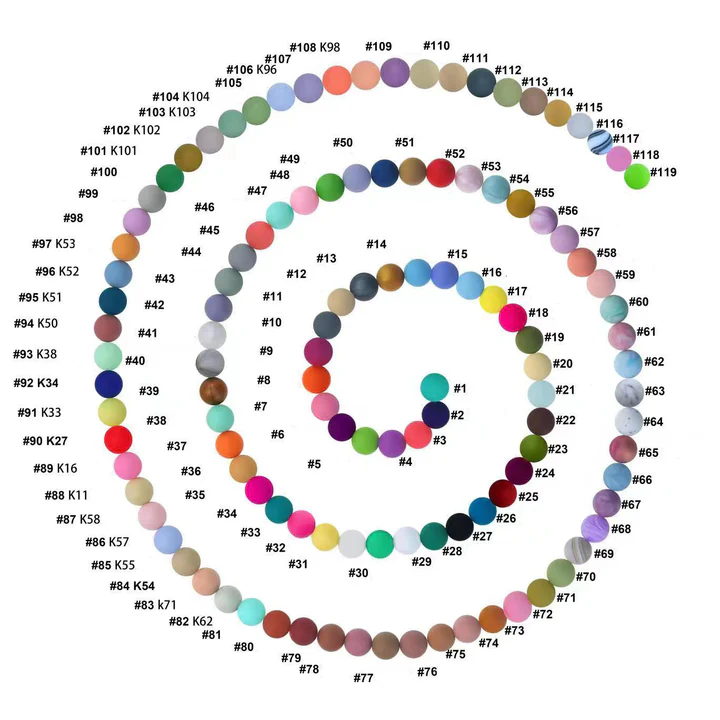
No, wearing mala beads isn't inherently cultural appropriation if done respectfully and secularly—opt for non-sacred adaptations like custom silicone bead designs instead of traditional 108-bead strings. Learn the Buddhist beads meaning (meditation tools from Hindu/Buddhist traditions), avoid fashionizing sacred symbols, and use secular mala tips: Source food-grade silicone beads in 119+ colors from JCFLOW for ethical DIY jewelry—no MOQ, factory-direct pricing from $0.10 per piece.
Check: Is It Disrespectful to Wear Mala Beads? Understanding Meaning, Respect, and Modern Use
What Are Mala Beads and Their Buddhist Beads Meaning?
Mala beads originate from Hinduism and Buddhism as 108-bead prayer tools for japa meditation and mantra counting. The word "mala" means garland in Sanskrit. The 108 beads represent the universe's significance—corresponding to 1% of the 10,800 breaths believed to occur daily in yogic tradition. Each mala includes a guru bead (teacher bead) marking the starting point. Traditional materials include rudraksha seeds, wood, or gemstones. Modern DIY crafters and Etsy sellers have popularized trendy bracelet and necklace styles, but spiritual sensitivity around sacred versus decorative use remains important for ethical sourcing and marketing.
What Is Cultural Appropriation Versus Appreciation in Jewelry?
Cultural appropriation means adopting sacred elements without understanding or respecting their context—like wearing a full 108-bead mala as a trendy accessory without spiritual practice. Cultural appreciation involves learning origins, honoring traditions, and adapting designs ethically. Red flags include profiting from religious symbols without credit and mass-producing sacred designs. Real-world backlash on Reddit and Quora shows non-Buddhist influencers facing criticism for commodifying spiritual symbols. For sellers, transparency on secular designs builds trust with ethical Amazon/Shopify buyers and reduces return rates.
Can Non-Buddhists Wear Mala Beads Respectfully?
Yes, if worn secularly. Many Buddhists and Hindus approve non-religious use—for instance, as affirmation bracelets or stress-relief tools without claiming spiritual power or using them during meditation. Key etiquette: don't hang malas as room decor, remove them before swimming or intimacy, and consult cultural experts for hybrid designs. For B2B sellers, sourcing non-sacred alternatives sidesteps appropriation debates entirely, ensuring high-margin sales without cultural backlash or returns.
How Should You Wear Mala Beads to Avoid Appropriation?
Choose non-108 bead counts (like 18, 27, or 54 for bracelets), pair with modern spacers, and label designs as "inspired by" in Etsy listings. Always add choking hazard warnings to protect liability. String 15mm silicone rounds (35-pack from $0.15 per bead) with focal pieces for safe, vibrant necklaces. Transparent sourcing—specifying food-grade, BPA-free materials—demonstrates respect for cultural sensitivity and builds customer loyalty across DIY and wholesale markets.
| Aspect | Traditional Mala Beads | Secular Silicone Mala-Inspired Designs (JCFLOW) |
|---|---|---|
| Bead Count | Sacred 108 + guru bead | Flexible (18–27 for bracelets) |
| Materials | Rudraksha, wood, crystals | 100% food-grade silicone, BPA-free |
| Use Intent | Meditation/mantra counting | DIY jewelry, sensory accessories |
| Customization | Limited traditional options | 435+ SKUs, 119+ colors, custom focals |
| Sourcing for Sellers | High MOQ, variable quality | No MOQ, factory-direct $0.10+ per piece |
What Is Secular Mala Use for DIY Jewelry Makers?
Secular applications include stress-relief bracelets, fashion stacks, and sensory tools (such as textured beads for autism support) without mantra association. Silicone outperforms fragile wood—it withstands daily wear and suits tumbler boots, beadable pens, or holiday kits. Dropshippers and Amazon sellers use themed collections for non-spiritual markets like event supplies or educational toys. This approach eliminates cultural sensitivity concerns while expanding market reach to mainstream jewelry enthusiasts.
How Do Etsy and Amazon Sellers Create Ethical Beaded Designs?
Integrate JCFLOW products across 24 collections for high-volume, low-risk items like beadable wallets or vacation themes—factory-direct pricing cuts costs 50% or more versus resellers. Marketing listings emphasizing "secular adaptations" plus safety warnings drive positive reviews. Target baby brands and party suppliers with versatile shapes and sizes. Bulk discounts on single pieces suit dropshippers; US warehouse fulfillment ensures fast domestic shipping for Shopify stores, maximizing profit margins and customer satisfaction.
Why Choose Factory-Direct Silicone Beads for Culturally Sensitive Designs?
Factory-direct silicone beads offer endless creativity without sacred baggage—100+ colors, 8+ shapes, and holiday kits for non-religious themes, all with choking hazard labels included for safety compliance. Small craft stores and wholesalers gain competitive pricing and reliable stock from US warehouse operations. Custom OEM services enable branded private-label lines. JCFLOW's Judge.me Diamond Transparent Shop status (178+ verified reviews, Top 10% of Shopify shops) demonstrates trustworthiness for ethical sourcing commitments that resonate with conscious consumers.
Check: Silicone Beads
JCFLOW Expert Views
"As a Las Vegas-registered factory-direct store with China manufacturing and Austin warehouse operations, JCFLOW empowers ethical crafting through secular design flexibility. Our 435+ SKUs—including 15mm silicone beads in 119+ colors and custom OEM focal pieces—eliminate the appropriation debate entirely. With no minimum order quantity, Etsy makers and small wholesalers can prototype respectful, non-sacred designs affordably. Our BPA-free, food-grade silicone suits baby brands seeking hypoallergenic alternatives; textured and ribbed options provide sensory benefits without cultural sensitivity. Free shipping on orders $50+ and WhatsApp support at +1 (626) 878-5177 make scaling ethical jewelry production seamless for dropshippers and Amazon sellers."
What Makes Silicone Beads Better Than Traditional Mala Materials for Modern Crafters?
Silicone is durable, hypoallergenic, BPA-free, and ideal for daily wear—unlike fragile wood or gemstones prone to cracking. JCFLOW offers 119+ colors versus limited natural material options, enabling unique designs. Silicone withstands water, sweat, and UV exposure, making it perfect for active users. Food-grade certification ensures safety for baby products and children's crafts, addressing a major market gap. Customization options—including hexagon, lentil, and printed patterns—create design variety impossible with traditional materials, attracting diverse customer segments from fitness enthusiasts to sensory-seeking communities.
Where Should B2B Buyers Source Beads for Ethical Mala-Inspired Lines?
JCFLOW offers no MOQ, 435+ SKUs, and factory-direct pricing from $0.10 per piece—ideal for Etsy and Amazon scaling. Bulk discounts apply to single pieces, making it cost-effective for small wholesalers and dropshippers. Themed collections (15 holiday/seasonal options, 160+ beadable pen kits) accelerate product development. Custom OEM services create private-label focal bead designs for branded lines. US warehouse fulfillment reduces shipping times for domestic markets. Transparent sourcing—with detailed product safety warnings and material specs—builds supplier credibility with wholesale accounts and end consumers alike.
How Can You Label and Market Mala-Inspired Designs Without Appropriation?
Use language like "inspired by mala traditions" rather than claiming authentic spiritual power. Disclose that designs are secular adaptations, not sacred ritual tools. Highlight material safety (food-grade silicone, BPA-free) and cultural respect in product descriptions. Include choking hazard warnings where applicable. Feature customer testimonials emphasizing stress relief and fashion appeal rather than spiritual benefits. Partner with cultural consultants for product photography and social media narratives. This transparency approach reduces returns, builds trust with ethical buyers, and positions your Etsy or Shopify store as culturally aware—a key differentiator in competitive craft markets.
| Marketing Element | Appropriation Risk | Ethical Approach |
|---|---|---|
| Product Title | "Authentic Mala Beads" | "Mala-Inspired Silicone Bracelet" |
| Description | Claims spiritual power; sacred use | Discloses secular, fashion focus; 100% food-grade silicone |
| Bead Count | Always 108 beads | Flexible counts (18, 27, 54); no guru bead claim |
| Materials Messaging | No sourcing transparency | Highlights BPA-free, hypoallergenic, eco-conscious silicone |
| Safety Compliance | Omits warnings | Displays choking hazard warnings; age recommendations |
What Are Common Misconceptions About Mala Bead Appropriation?
Myth: Non-Buddhists wearing any mala is appropriation. Truth: Secular, respectfully labeled designs are acceptable. Myth: Silicone beads cheapen spiritual practice. Truth: Silicone enables accessible, safe adaptations for fashion and wellness markets. Myth: 108-bead designs always offend. Truth: Clear secular labeling and non-spiritual intent mitigate concerns. Myth: DIY crafters must buy from specialized suppliers. Truth: JCFLOW's factory-direct model, no-MOQ policy, and 119+ color options democratize ethical bead sourcing for independent makers and small wholesalers, lowering barriers to entry and production costs.
Conclusion
Wearing mala-inspired beads isn't inherently appropriative if approached with respect, clarity, and cultural sensitivity. The key is choosing secular designs, transparent labeling, and ethical sourcing that honors Buddhist and Hindu traditions without commodifying their sacred significance. JCFLOW's factory-direct silicone beads—available in 435+ SKUs with 119+ colors, custom focal designs, and no minimum order quantity—empower DIY crafters and B2B sellers to create stunning, responsible jewelry that celebrates appreciation over appropriation. By prioritizing food-grade, BPA-free materials and honest marketing language, you build consumer trust, reduce returns, and drive sustainable sales across Etsy, Amazon, and Shopify platforms. Explore JCFLOW's collections at jcflowbeads.com or contact the team at +1 (626) 878-5177 for custom OEM quotes and wholesale partnerships that align with your ethical crafting vision.
FAQs
Is wearing mala beads as a necklace cultural appropriation?
Not if secular and clearly labeled as inspired—avoid full 108-bead sacred designs. Use flexible bead counts (18–54) with silicone for safe, customizable fashion that respects Buddhist and Hindu traditions without claiming spiritual power or ritual use.
Can non-Buddhists or non-Hindus wear mala beads respectfully?
Yes, absolutely. Many practitioners approve non-spiritual wear, such as stress-relief bracelets or fashion accessories. Avoid guru beads, mantra associations, and sacred clothing combinations. JCFLOW's flexible color counts and custom options make designing respectful, non-sacred adaptations simple and affordable for any crafter or seller.
What are the key etiquette rules for mala-inspired jewelry sellers?
Disclose inspirations transparently, skip traditional 108-bead counts, prioritize ethical sourcing (food-grade silicone, BPA-free), include choking hazard warnings, and avoid spiritual or meditative claims in product marketing. Label designs as "secular adaptations" or "fashion-inspired" to set clear expectations with customers and reduce cultural sensitivity backlash.
How do silicone beads differ from traditional mala materials?
Silicone is durable, hypoallergenic, BPA-free, and water-resistant—superior to fragile wood or gemstones for daily wear. JCFLOW offers 119+ colors versus limited natural options, enabling unique designs. Food-grade certification ensures safety for baby products and children, expanding market reach beyond traditional craft audiences.
Where should I source beads for ethical, secular mala-inspired designs?
JCFLOW provides no MOQ, 435+ SKUs, and factory-direct pricing from $0.10 per piece—ideal for Etsy makers, dropshippers, and small wholesalers. Bulk discounts, custom OEM services, and US warehouse fulfillment ensure competitive costs and fast domestic shipping for scaling ethical jewelry production sustainably.


